The Implications of Hybrid Warfare for EU Internal Security | Other events | Events | LIBE | Committees
The European Parliament’s Committee on Civil Liberties, Justice and Home Affairs (LIBE) has formally shifted its focus toward the "Implications of Hybrid Warfare for EU Internal Security," a move…
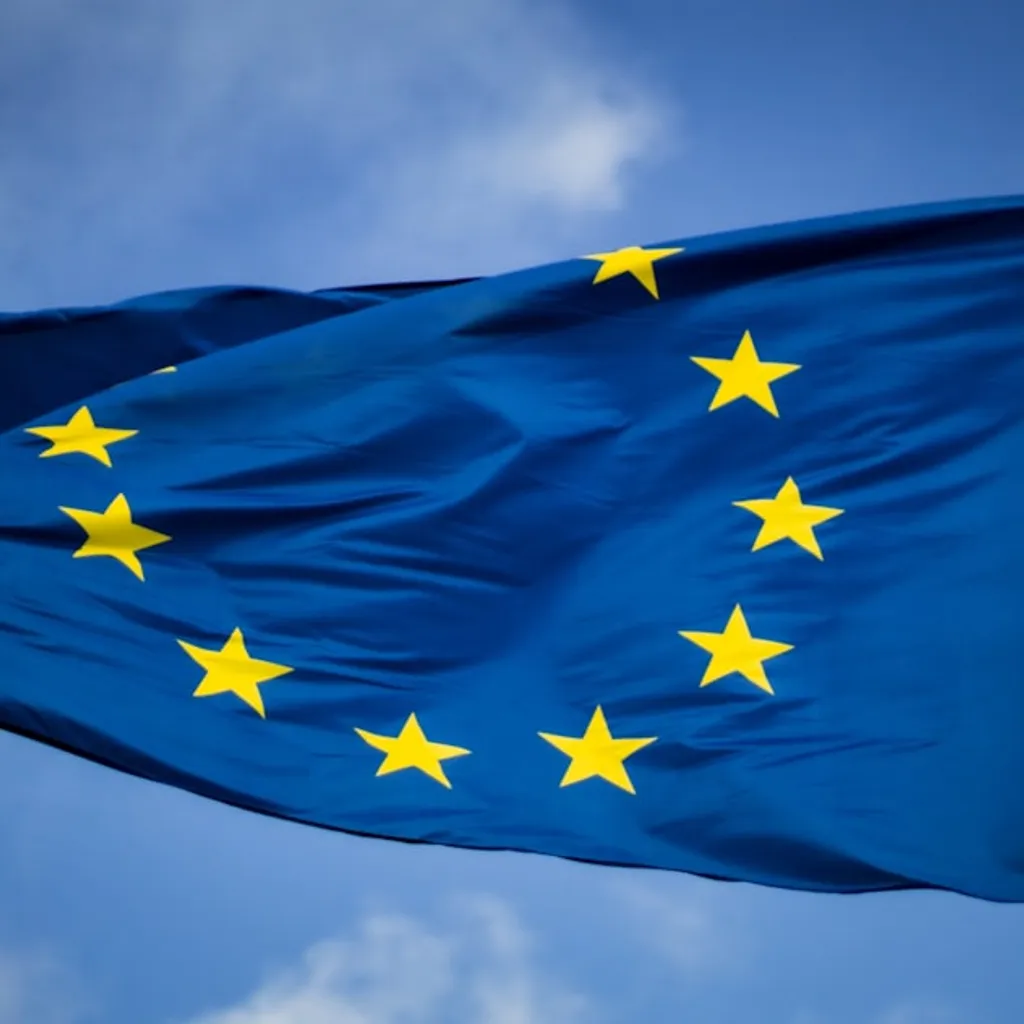
The European Parliament’s Committee on Civil Liberties, Justice and Home Affairs (LIBE) has formally shifted its focus toward the "Implications of Hybrid Warfare for EU Internal Security," a move that signals a deepening anxiety within the bloc’s administrative core. This legislative scrutiny comes at a pivot point where digital infrastructure and internal stability are no longer viewed as separate domains, but as a singular, vulnerable front. For the international community in France, these discussions in Brussels are a precursor to how the EU intends to reconcile its strict regulatory environment with the aggressive technological expansion of its global rivals.
The LIBE Mandate and the Hybrid Threat
The LIBE committee’s investigation into hybrid warfare marks a departure from traditional security concerns, focusing instead on the multifaceted methods used to destabilize the Union from within. In the current political climate, "hybrid warfare" has become a convenient, if somewhat cynical, umbrella term for everything from disinformation campaigns to the exploitation of technological dependencies.
By placing this on the official agenda, the European Parliament is acknowledging that internal security is now inextricably linked to how the bloc manages its digital borders. The mechanics of this maneuvering suggest that Brussels is preparing to tighten oversight on any infrastructure that could be weaponized by external actors, a move that will inevitably have trickle-down effects on how data and security are handled across member states like France.
Metsola’s Realpolitik: AI as a Security Asset
European Parliament President Roberta Metsola has recently sharpened the rhetoric regarding the Union’s technological standing. According to reports from the WSJ and Yahoo Finance, Metsola is framing the AI race not merely as a matter of economic competition, but as a fundamental security requirement. Her blunt assessment—asking "Who will be our allies?" if Europe fails to compete in the AI sector—reveals a pragmatic, if not slightly desperate, shift in European strategy.
This isn't just about fostering innovation; it is about political leverage. Metsola’s comments suggest that the EU is reaching a point where it must decide whether it can afford to maintain its "regulatory superpower" status if it leads to technological isolation. The underlying message is clear: without homegrown or strictly controlled AI capabilities, the EU’s internal security remains at the mercy of whichever "allies" hold the keys to the code.
The Apple-Brussels Friction: A Case Study in Gridlock
The ongoing friction between Apple and Brussels over the delayed rollout of Siri AI serves as a perfect illustration of the current European paradox. Both sides are currently engaged in a public blame game, with the tech giant citing regulatory hurdles and Brussels insisting on compliance. This standoff is more than a consumer inconvenience; it is a practical demonstration of the "hybrid" era's complexities.
While the LIBE committee discusses high-level security implications, the reality on the ground is one of regulatory friction that prevents the deployment of the very tools President Metsola claims are vital for Europe's future. For those tracking the intersection of French policy and EU mandates, this stalemate highlights the friction between the EU’s desire for "strategic autonomy" and its rigid adherence to a regulatory framework that global tech leaders find increasingly difficult to navigate. The outcome of this blame game will likely set the precedent for how future AI-driven security tools are integrated—or excluded—from the European market.