Pricing of E-Charging for Electric Cars and Onshore Power Supply in Ports
The European Parliament is taking aim at the cost of charging electric vehicles and powering ships at berth, a move with direct consequences for France’s port cities and the pace of the country’s EV transition.
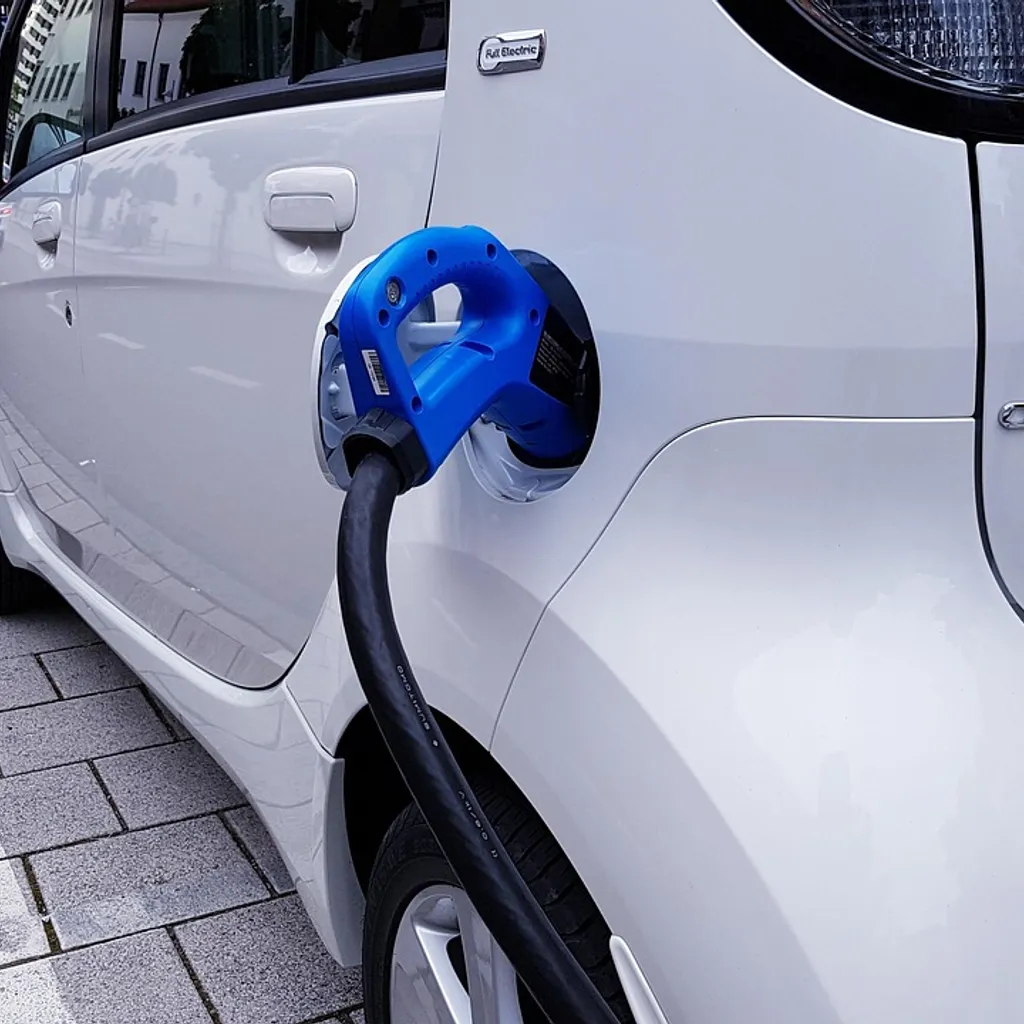
The Mechanism: Why Price Tags on Ports and Chargers Matter
The core of this legislative push is to remove cost uncertainty as a barrier. For electric car owners, inconsistent and often opaque pricing at public chargers is a well-known headache. For the shipping industry, the economics of plugging into onshore power while docked instead of running auxiliary diesel engines have been a major hurdle. By moving to regulate these pricing structures, Brussels is effectively trying to de-risk private investment in the necessary infrastructure. For French port authorities and energy providers, this signals that a standardized, likely more transparent, pricing regime is coming.
France’s Dual Exposure: A Test Case for Green Infrastructure
France finds itself at a unique intersection. Domestically, it is aggressively promoting electric mobility, making standardized, fair charging pricing a political imperative. Internationally, its ports are critical nodes in European trade. The new rules will force a reckoning: French ports must modernize their energy grids and commercial models to offer competitive, clean power to the global fleet. The real test will be whether EU regulation can spur the massive, coordinated investment needed, or if it will simply create another layer of bureaucratic compliance without delivering the promised drop in emissions.
What to Watch: From Strasbourg to the Docks
The Parliament’s announcement is a starting pistol, not the finish line. The key detail to track is the specific pricing model proposed—will it be cost-based, market-based, or a hybrid? The reaction from France’s port communities and national energy giants will be telling. This is the gritty, technical work of the green transition: turning political ambition into predictable prices on a charging screen and a ship’s power meter. For now, it’s a clear signal that the cost of decarbonizing transport is moving from the realm of aspiration to the realm of regulated infrastructure.