Simplification: Council and Parliament strike deal to help growing businesses thrive and accelerate digitalisa
The EU's Council and Parliament have landed a political deal on the so-called "simplification" package, an initiative pitched at making life easier for small and growing companies and pushing them faster into the digital economy.
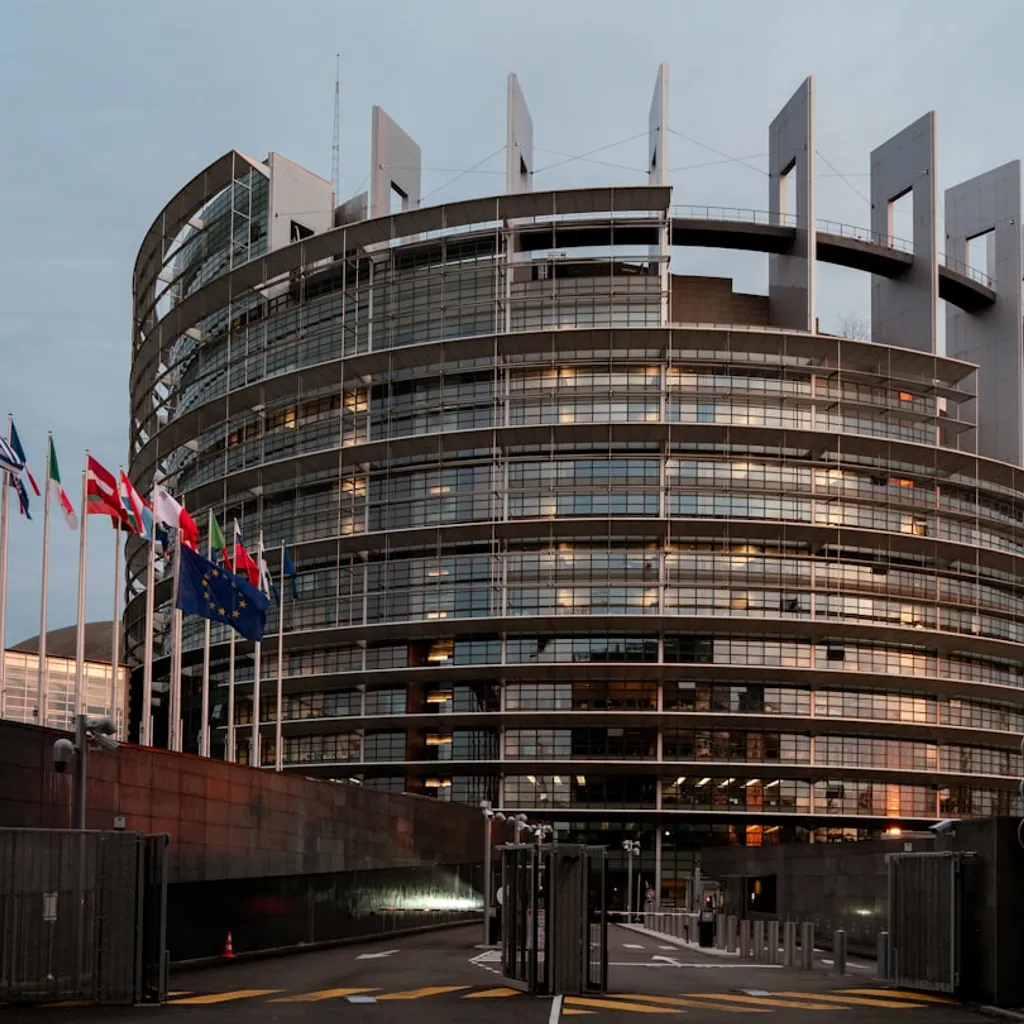
The shape of the deal
The Council and Parliament's announcement on 9 June framed the agreement around two interlocking goals: reducing reporting and compliance burdens on smaller firms, and accelerating their uptake of digital tools. Details remain thin in the public version — the deal text still needs formal ratification by both institutions — but the negotiation landing zone appears to bundle administrative cuts with digital-ID infrastructure. The Commission has been pushing both tracks in parallel for months, and the Council's willingness to close a deal before the summer suggests member states want a deliverable to point to during a period of persistent economic anxiety.
MLex separately reported that EU governments have endorsed "European business wallets," a digital identity tool meant to let companies carry verified credentials and interact with administrations across member states. Read alongside the simplification deal, the wallets look like the operational backbone of the "accelerate digitalisation" half of the equation — a single login, in theory, replacing a stack of national registration documents.
Why this matters for France
France has spent more political capital than most member states on the simplification brand, with successive ministers touring the country promising to liberate entrepreneurs from paperwork. A Brussels deal gives Paris a ready-made citation for domestic reform rhetoric, and a convenient excuse if the national burden remains heavy. The risk is the opposite: if the EU deliverable is modest, the French government loses its favourite external scapegoat for slow permitting and overlapping tax filings.
French SMEs are also a primary market for the business wallet concept, given the country's deep bench of small exporters and its notoriously dense administrative interface. Whether the wallet actually replaces existing identifiers or merely layers on top of them will determine its real value.
What to watch
Three things will determine whether this deal is a genuine shift or another Brussels press release. First, the trilogue record — what concessions the Parliament extracted on reporting thresholds and on the definition of "growing business." Second, the rollout design for the business wallet: opt-in or mandatory, interoperable with existing French systems or parallel to them. Third, the political sequel. The Föderalist's May review of EU dynamics flagged a familiar pattern in this Parliament: broad deal-making instinct, thin ideological edge. A simplification package stitched together late at night will be tested the moment a high-profile company complains that a new obligation it never read is now binding.
For the moment, the headline deal exists; the hard work of turning it into something a French pâtissier in Lyon or a scale-up in Lyon–Confluence can feel remains ahead.