European Union and Australia successfully conclude Horizon Europe negotiations
The European Union and Australia have wrapped up negotiations over Horizon Europe participation, according to the European External Action Service.
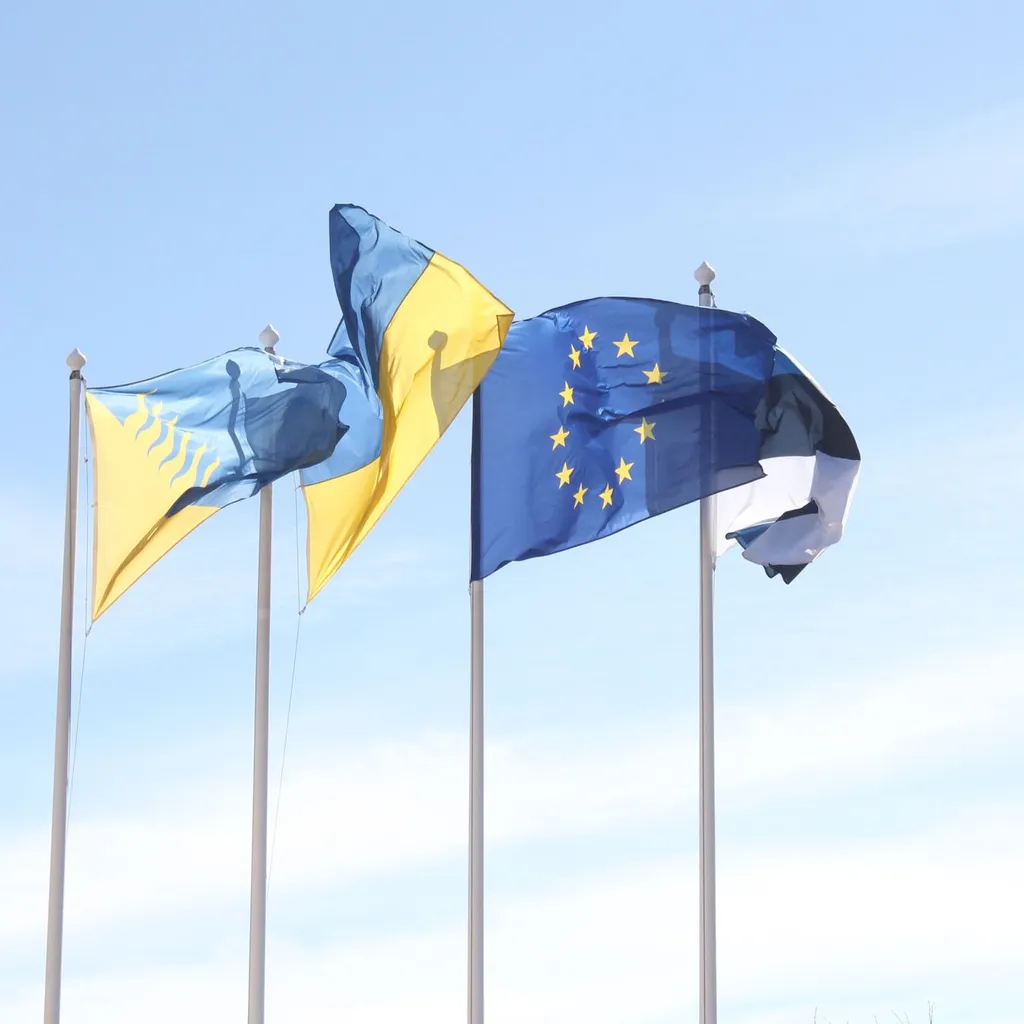
What the announcement actually says
The EEAS confirmed the conclusion of talks but did not, in the available reporting, specify the financial envelope, the timeline for Australia's association to the program, or the legal form of the agreement. That is normal at this stage: "conclusion of negotiations" is a political milestone, not a signed instrument. It signals that both sides have agreed on terms in principle, leaving the technical ratification and the publication of a formal association agreement as the remaining steps. Until those texts are public, the scope of Australian researchers' access to the program — and the reciprocal access for EU researchers — remains an open variable.
Why France should care
France punches above its weight in EU research spending. French institutions have long been major recipients of European Research Council and Marie Skłodowska-Curie funding, and French researchers maintain dense bilateral ties with Australian counterparts, particularly in quantum, marine science, and astronomy. Canberra, for its part, has treated association to EU framework programs as a strategic hedge against an increasingly transactional relationship with Beijing — and, more recently, with Washington. An EU-Australia deal is not charity; it is a measure of how much strategic autonomy each side is willing to extend to the other in the knowledge economy.
The cynical reading: Horizon Europe association deals are also political theater. Each new country that joins validates the program as a global standard-setter, which strengthens the European Commission's hand with holdouts. Australia was always likely to conclude; the question is the price, in financial contributions and in whatever political concessions Canberra extracts on market access for its universities.
What to watch
The practical checklist is narrow, because the substance is not yet public:
- The formal association agreement text, typically published by DG Research and Innovation once signed.
- The financial terms. Association fees are calibrated to GDP and research output, and the final number will set a benchmark for the next round of candidate countries.
- Any carve-outs on data flows and dual-use research. Australia's posture on technology transfer with China will be the tell.
- For French labs and universities: the eligibility date for Australian partners on the next ERC and MSCA calls, and whether existing bilateral frameworks are folded in or run in parallel.
Until the text lands, the EEAS line is the only verified fact. Everything else is mechanics — and mechanics, in Brussels, are usually where the real politics happens.