European Parliament Delegation Visits Mongolia
A European Parliament delegation is in Mongolia, according to the European External Action Service. The EEAS notice is the only public confirmation so far, and it amounts to little more than a headline and a timestamp — no names, no agenda, no readout.
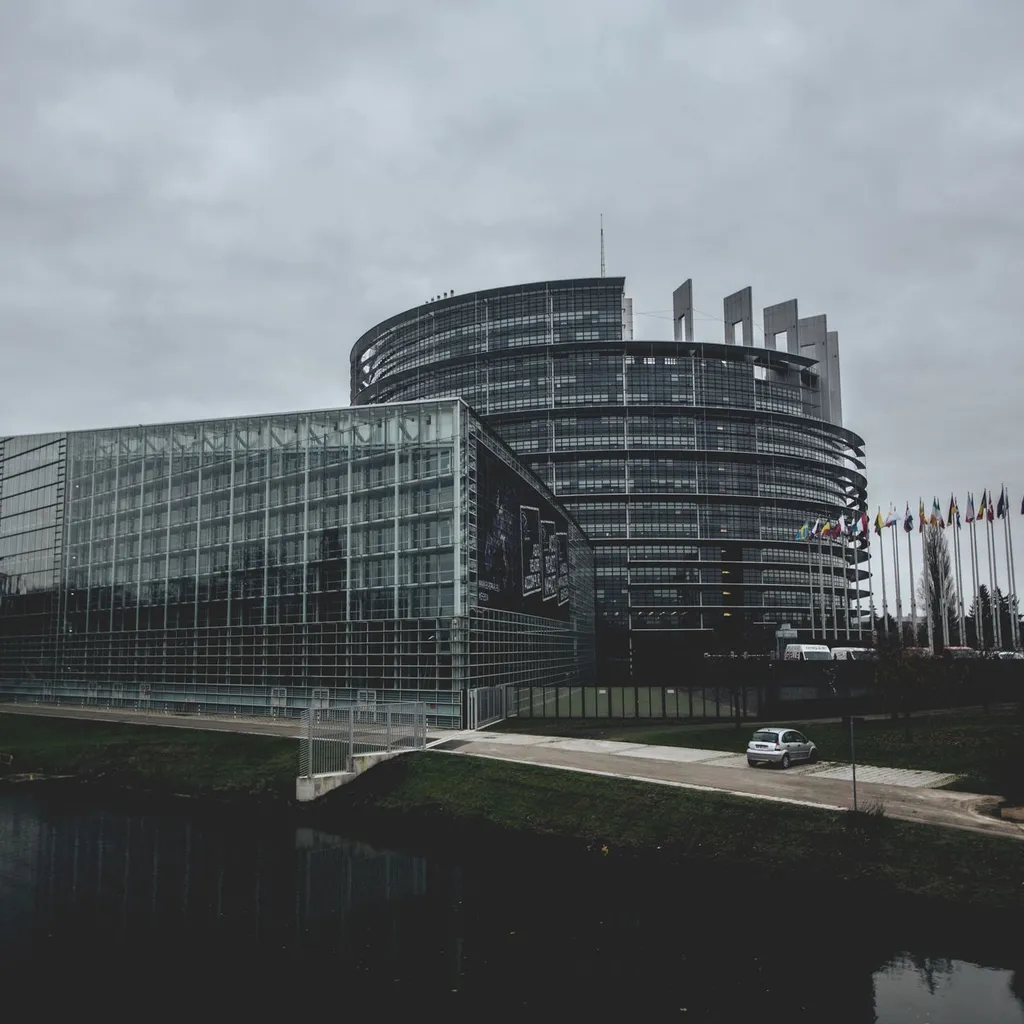
Parliament does not set foreign policy — but it does set the tone
European Parliament delegations are not the engine of EU external action. The Commission negotiates, the Council decides, and the EEAS executes. What parliamentary visits do, however, is signal political appetite, and they are often the first outward sign of a policy line that officials are still unwilling to put in writing. The Parliament has a standing relationship with its Mongolian counterpart through inter-parliamentary cooperation, which is the most likely institutional vehicle here. The committees of interest, in this type of engagement, tend to be those dealing with trade and with foreign affairs — and the readout, when it comes, will tell us whether the signalling was coordinated with the Commission or done on a freelance basis by the EP leadership.
The diversification subtext is the real story
The visit lands in a week when the European Industry Forum is convening in Brussels around the stated theme of "reducing dependencies, building resilience," as reported by The Parliament Magazine. The thematic overlap is the point. Mongolia sits on deposits that European policymakers have been discussing for years as candidates for diversification — copper and rare earth materials being the most cited — and the visit reads, fairly or not, as part of that broader conversation rather than as a standalone bilateral exercise. The cynical read is that a parliamentary trip is the cheapest way to demonstrate engagement without committing to anything that requires inter-institutional negotiation. The same week is also bringing the EP's media freedom session and a high-profile anti-fraud roundtable at the Parliament with MEPs and industry figures, which suggests Brussels is in a wide external-engagement posture, not focusing on one file.
What to watch
First, the post-visit readout from the Parliament's press service — who travelled, which committee chairs were in the room, and which Mongolian counterparts were actually met. Second, whether the Commission or the EEAS follows up with a parallel announcement, because parliamentary visits that produce no Commission movement tend to age out quickly and leave only a few press lines behind. Third, the reaction in Beijing, which has historically treated Mongolia as part of its strategic near-abroad and is unlikely to view closer European engagement as a neutral development.