Verify 5 signs of overcharging on your French utility bill
There is a specific kind of silence that descends upon a Parisian apartment when you open a PDF from EDF or Engie and realize the figure at the bottom is roughly the same price as a weekend in Biarritz.
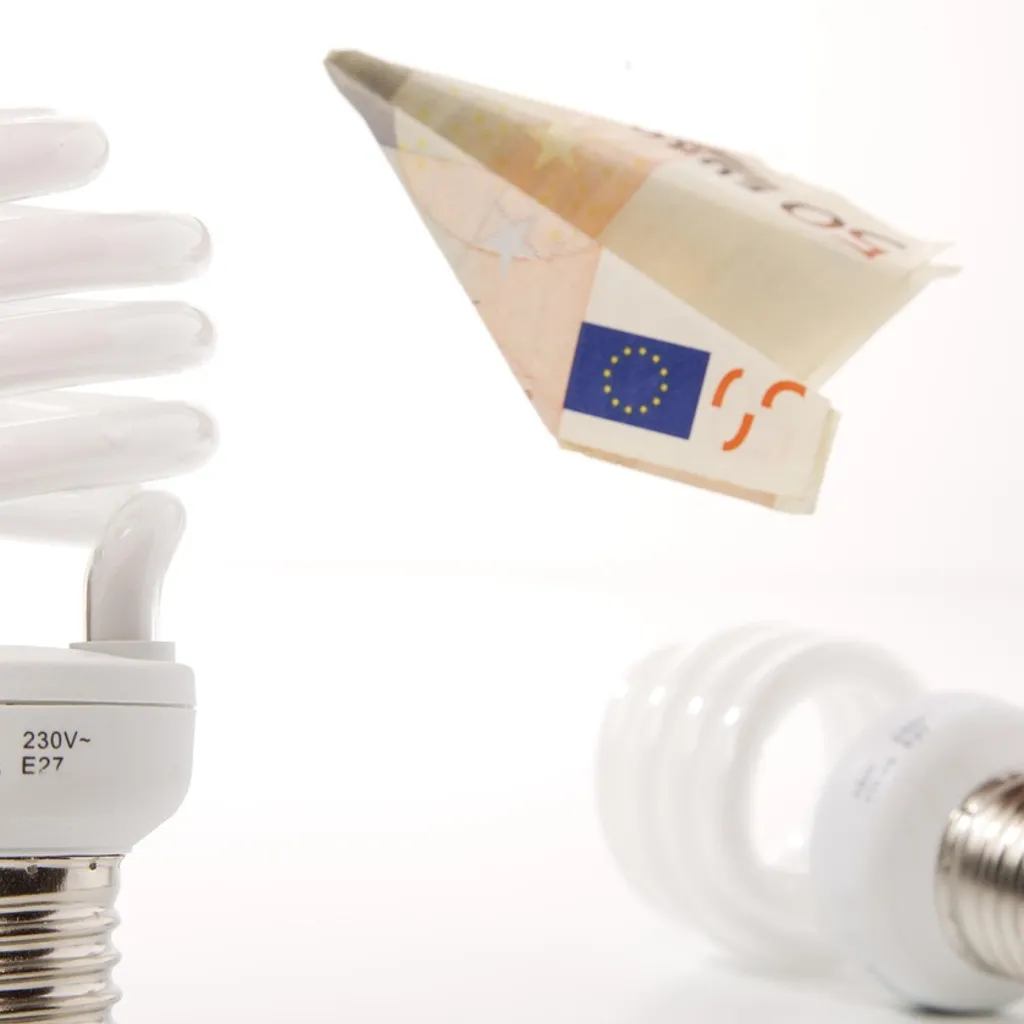
The French utility system is a magnificent beast of bureaucracy, acronyms, and "estimations" that often feel like they were calculated by a psychic rather than a technician. If your bill looks like a phone number, it’s time to stop hyperventilating and start investigating. Learning how to verify 5 signs of overcharging on your French utility bill isn't just about saving a few Euros; it’s about reclaiming your sanity from the clutches of the *administration*. We’ve all been there—staring at a bar chart of our energy consumption wondering if we accidentally left the oven on for the entire month of November. Usually, the truth is more mundane: a billing error, a wrong tariff, or a meter that’s lost its mind.
1. The "Estimation" Mirage vs. Reality
The most common culprit for a heart-stopping bill in France is the *estimation*. Unless you have a Linky (electricity) or Gazpar (gas) "smart" meter that communicates directly with the provider, your monthly bill is often just an educated guess. The provider looks at what the previous tenant used—likely a family of four who enjoyed tropical indoor temperatures—and applies that logic to you, a single person who is never home.
Check your bill for the words *index estimé*. If the numbers on your invoice are significantly higher than the physical numbers on your meter, you are essentially giving the energy company an interest-free loan. You are paying for energy you haven't used yet.
The French "estimation" is less of a scientific calculation and more of a creative writing exercise by your energy provider.
If you find a discrepancy, you can perform an *auto-relève* (self-reading). Most apps (EDF Moi, Engie, etc.) allow you to upload a photo of your meter. This triggers a recalculation. I once shaved €400 off a bill simply by proving that I wasn't, in fact, heating my balcony. If you're looking for broader lifestyle tips and how to navigate the complexities of European living, resources like cemreroman.com offer great insights into culture and practical daily advice that can help you settle into the rhythm of life here without the constant "expat tax" of overpaying for services.
2. The "Puissance Souscrite" Trap: Are You Over-Powered?
Every French electricity contract is tied to a specific power level, measured in kVA (kilovolt-amperes). This is the *abonnement*—the fixed part of your bill that you pay regardless of whether you turn on a single lightbulb.
Most Parisians in studios or one-bedroom apartments are perfectly fine with 6 kVA. However, many older contracts or lazily set-up new ones default to 9 kVA or even 12 kVA. The difference might only be €5 or €10 a month, but over three years, that’s a very nice dinner at a bistro you’ve been eyeing.
| Apartment Type | Typical Power (kVA) | Common Signs of Overcharging |
|---|---|---|
| Studio / 1-Bedroom | 3 or 6 kVA | You're paying for 9 kVA but only have a fridge and a laptop. |
| 2-3 Bedrooms (Electric Heat) | 9 kVA | You're on 12 kVA but never trip the circuit breaker. |
| Large House / Heat Pump | 12+ kVA | You're paying for "Option Tempo" but don't use it. |
If your circuit breaker *never* trips, even when the washing machine, oven, and hairdryer are all running, you might be paying for more "headroom" than you need. Conversely, if it trips every time you make toast, you’re under-powered, which is its own kind of hell. You can request a change in your *puissance souscrite* via your provider’s customer service.
3. The Mystery of the "Heures Pleines / Heures Creuses"
France loves its dual-tariff system. The idea is simple: electricity is cheaper at night (*Heures Creuses*) and more expensive during the day (*Heures Pleines*). On paper, it sounds like a dream for the budget-conscious. In reality, it can be a stealthy way to overcharge you.
To make the "Off-Peak" option worth it, you generally need to shift about 30% of your total consumption to those late-night hours (usually 10 PM to 6 AM, though it varies by commune). If you live in a small apartment with no dishwasher or washing machine, or if you don't have an electric water heater that only kicks in at night, the "Base" tariff is almost always cheaper.
Check your bill's breakdown. If you see that your *Heures Creuses* consumption is negligible but you’re paying a higher *abonnement* fee for the privilege of having the option, you’re being bled dry. I spent two years paying for a dual tariff before realizing my water heater was actually gas-powered. I was literally paying extra for a discount I couldn't use. It’s one of those classic "Parisian life" facepalm moments.
4. The 14-Month "Rattrapage" Rule
This is a big one, and it’s the one where the law is actually on your side. In France, energy providers are generally forbidden from billing you for consumption that occurred more than 14 months ago. This is known as the *prescription biennale* (though effectively capped at 14 months for utility adjustments).
Sometimes, a provider realizes they’ve been under-billing you for two years because they failed to read the meter. They might send you a "catch-up" bill (*facture de rattrapage*) for the entire period.
If your provider tries to charge you for electricity used 18 months ago because they forgot to check your meter, you have the legal right to refuse payment for everything beyond the 14-month window.
Don't just pay it. Check the dates. If the bill covers a period from three years ago, they are in violation of Article L224-11 of the *Code de la consommation*. A sternly worded letter (or *mise en demeure*) usually makes these "errors" vanish.
5. Identifying Abnormal Spikes and "Leaking" Meters
If your consumption has doubled but your lifestyle hasn't changed, you need to verify if you’re paying for your neighbor’s Netflix habit. In older Parisian buildings, "cross-wiring" isn't as rare as we’d like to think.
To check this, try the "Dark Apartment Test." Turn off every single appliance in your home, unplug the fridge, and make sure no lights are on. Then, go look at your meter. If the little light on the Linky is still flashing rapidly or the old mechanical wheel is still spinning, you have a problem. It could be:
* A faulty appliance (an old water heater is often the culprit).
* An actual electrical leak (dangerous and expensive).
* Someone else's basement or hallway light is wired into your meter.
How to formalize your dispute
If you’ve confirmed you’re being overcharged, don't just call the helpline and hope for the best. The French customer service experience is a test of character.
1. Gather Evidence: Take photos of your meter over a period of seven days. Note the readings in a spreadsheet.
2. The Reclaim: Use the "Contact" form on your provider's website so there is a digital trail. State clearly: "I am disputing invoice #XXXX because the index is estimated/the tariff is incorrect/the 14-month rule applies."
3. The Escalation: If they ignore you (and they might), you go to the Médiateur national de l'énergie. This is a free, independent government service that settles disputes between consumers and energy companies. They are the "big guns." Once the Médiateur gets involved, providers suddenly become very helpful and polite.
Living in France is an exercise in navigating "the system." Whether it's finding the best croissant in the 18th or figuring out why your gas bill is the size of a mortgage payment, it requires a mix of skepticism and persistence. When you finally verify 5 signs of overcharging on your French utility bill and see that refund hit your bank account, it feels better than a glass of chilled Sancerre on a summer evening. Well, almost.
The key is to remember that the bill is not a divine decree; it's a proposal. And in France, everything—even the price of the electrons powering your coffee machine—is subject to a little bit of healthy debate. Stay vigilant, keep your meter readings handy, and never trust an "estimation" that seems too high to be true. It usually is.